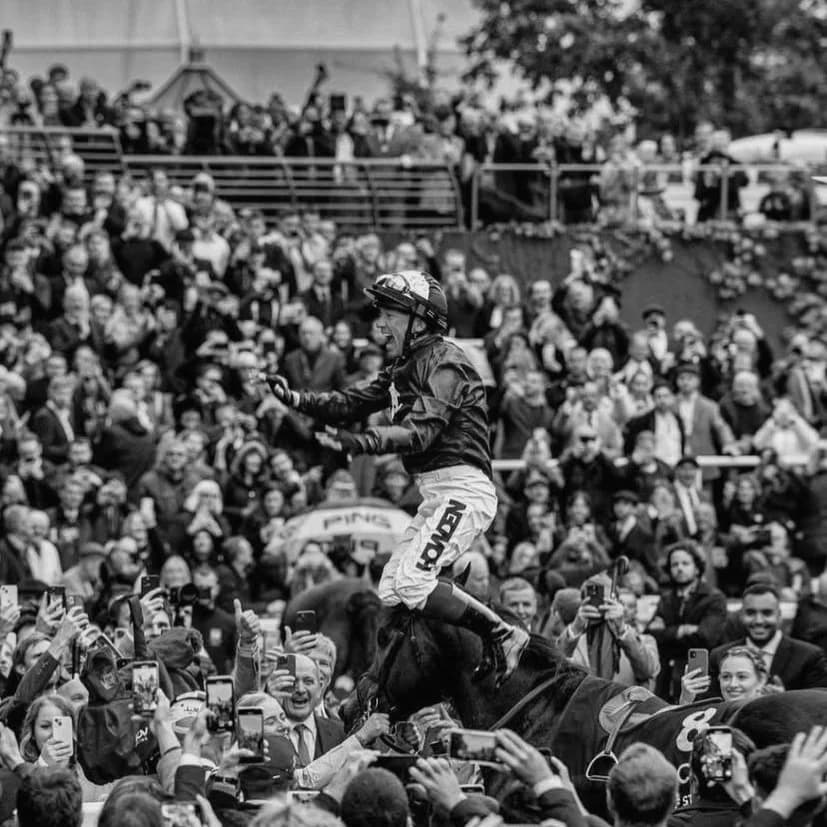
It's not football. It's not the pub. But more and more young people are showing up at the track, and not leaving. Not because someone dragged them there. Not because they had nothing better to do. Because something clicked, and now they can't stop thinking about Saturday.
You don't choose racing. It chooses you.
Nobody grows up saying they want to be a racing fan. It doesn't work like that. You go to a carnival with mates because someone had spare tickets. You throw $20 on a name you liked. It wins. Or it doesn't, but the horse in front gets swallowed on the line by something at 40-to-1 and the bloke next to you loses his mind. Either way, you feel something. And then you're googling barrier draws on a Tuesday night.
That's the thing about racing, it doesn't advertise itself to you. There's no highlight reel on your feed, no viral moment pulling you in. You just stumble into it. A mate mentions a tip. You watch a race on your phone at lunch. You start checking odds before you check the weather. And then one day you realise: you're in.
The group chat doesn't stop
The real evidence isn't at the track. It's in the group chats. The ones that go quiet for three days then explode at 9am on a Saturday because someone's found a roughie at Randwick. The voice notes. The screenshots of multi legs. The absolute carnage when the last leg gets rolled at the 200m mark.
Racing has always been social, but it used to be your uncle and his mates at the TAB. Now it's 24-year-olds building same-race multis on their phones while waiting for brunch. It's couples picking horses by silk colours. It's group chat rules about who gets to claim a winner. The energy is different because the people are different.
Fashion, chaos, and the five-minute high
There's nothing else in sport quite like race day. Not the race itself, though two minutes of genuine uncertainty about where your money is going will do things to your heart rate that no other sport can match. It's the whole package. Getting dressed up on a Saturday. The walk through the gates. The noise of a crowd that's half champagne, half adrenaline. The moment the barriers open and everything you planned goes out the window.
Racing is fashion and filth. It's a $300 outfit and a $5 bet. It's sophistication and screaming at a television. It's the only sport where you can genuinely feel like you've outsmarted everyone in the room, or been made to look like a complete idiot, in the space of 70 seconds.
The first bet is free. The rest cost you your weekends.
Ask anyone who's properly into racing and they'll tell you the same story. There was a moment. One race, one day, one completely irrational bet that somehow came in, and everything changed. Not the money. The feeling. The realisation that you understood something, even if you couldn't explain what.
And then it just... builds. You start learning trainer names. You notice jockey patterns. You develop opinions about track conditions. You find yourself defending a horse's honour in conversation like it personally asked you to. Before you know it, Saturday isn't just a day off. It's an event. It's the main character of your week.
This isn't your grandad's sport anymore
The old image of racing — blokes in flat caps nursing schooners at a country track — still exists. And honestly, that's part of the charm. But walk into Randwick on a big Saturday or Flemington on Cup week and look around. The crowd is younger, sharper, and louder than it's ever been. They're not there because tradition told them to be. They're there because they want to be.
Racing is having a moment. Not because it changed, the sport is the same beautiful, brutal, unpredictable thing it's always been. It's having a moment because a new generation finally found it. And once you're in, you don't leave.
No one really invites you into horse racing. You just find it — and then you're in.