The map is half the form
Most punters read the form guide and stop there. They look at last-start finishes, distance records, weight, jockey. All of that matters. But the form guide only tells you what the horse can do. The speed map tells you what the race is going to look like, and if you can't picture the race you're guessing on which horses will get the run they need.
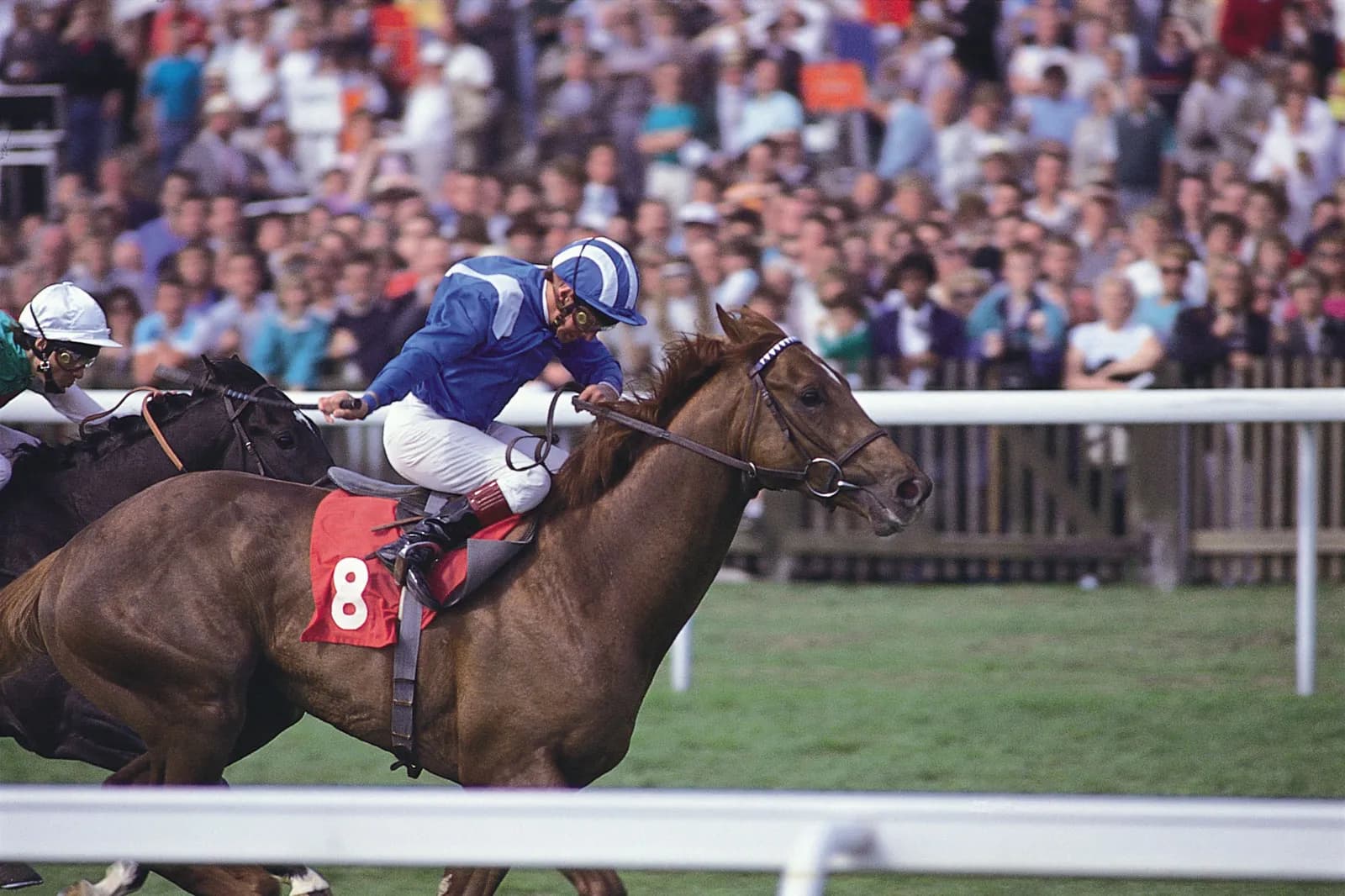
Research from Practical Punting and others puts it at about 60%, which is the share of races won by horses settling in the first four positions. Settle wide, settle last, settle behind a wall and the form on paper means nothing. The map is half the form.
What a speed map is
A speed map is a prediction of where each horse will be in the running once the field settles, usually 200 to 400 metres after the jump. It's built from the horse's recent race patterns, the barrier draw, the jockey's instructions, and the tempo the race will likely set.
It answers three questions:
- Who is going to lead?
- Who is going to be on or near the pace?
- Who is coming from the back?
If you know those three things you can already see who's advantaged and who's in trouble. If three horses want the lead and only one can have it, the other two get compromised. If only one wants the lead and nothing else is going forward, that horse can dictate. Pace creates opportunity and pace creates pressure. The map shows you which way the race breaks.
How Racing Life's speed map works
The speed map on every race page is built around the three phases of a race: out of the gates, settling into position, and the run to the line. Every horse gets a horizontal bar with three markers, one for each phase, so you can see how it's predicted to run from start to finish at a glance.
By default the runners are sorted by pace position with the leaders at the top and the backmarkers at the bottom. There's also a slider at the top that lets you drag through the three phases and watch each horse's bar fill in, which is useful when you want to see exactly where the speed clusters.
Phase 1: out of the gates
The first marker on each bar is barrier speed: how quickly the horse jumps and gets up to racing pace. We label it on a five-step scale:
- Very Fast. Gate speed to lead from anywhere.
- Fast. Gets up early, can find the front or sit on the speed.
- Moderate. Settles where the draw and rider take her.
- Slow. Drops out, needs the race to come back.
- Very Slow. Last off the gate, has to come from a long way.
This is the most important phase to count. A field with three or four Very Fast types is going to set up a hot tempo, and that tempo is what hurts those same horses 200 metres out. A field with one Very Fast horse and nothing else going forward is a "lone speed" map: the leader can roll along unchallenged and is almost impossible to run down if it can stay.
Phase 2: settling into position
The second marker tells you where the horse is predicted to be sitting once the field has stabilised. We bucket this into five groups:
- Leader. At the front, dictating.
- On Pace. First three or four, in the box seat.
- Midfield. Middle of the field, with cover.
- Off Pace. Back of the midfield.
- Back Marker. At the tail, needs everything to go right.
This is where the map earns its keep. The "first four positions wins 60% of races" stat refers to where horses sit at this point. If a horse maps a Back Marker in a race with sedate leaders, that horse is beaten before the turn. If a horse maps On Pace from a low barrier, the horse is in the catbird seat.
Phase 3: the run to the line
The third marker is closing speed: where the horse is predicted to finish relative to the field. The labels here are simpler:
- Strong finish. Improves position over the last 400m.
- Runs on. Keeps coming, holds the line.
- Holds position. Neither gains nor fades.
- Weakens late. Drops back through the field.
The closing marker compared to the settling marker is the punchline of the whole map. A horse that settles On Pace and finishes Strong is the textbook winner. A horse that leads and fades is the classic over-bet favourite who looks great until the last 100. A horse that settles Back Marker and runs on hard wins about a third of the time when the tempo is right and gets buried when it isn't.
The one-line read
Underneath every runner's bar we generate a plain-English summary that combines all three phases. Three shapes you'll see often:
- "Jumps sharp, sits on the pace, hits the line hard." The textbook winner shape.
- "Slow away, settles well back, runs on." Needs a strong tempo and clear running room.
- "Gets out quickly, settles handy, weakens late." Has speed but can't see out the trip at this level.
If you're new to maps, read the sentence first and then look at the bar. The visual is there to confirm what the words tell you.
Reading the map as a whole
Once you've got the per-runner reading down, step back and look at the whole map. Three things to ask:
1. How much speed is in the race? Count the Very Fast and Fast horses. Three or more and the tempo is going to be hot. One and you've got a lone-speed scenario where the leader is dangerous. None and the race is likely to crawl, which suits everything that maps on-pace and hurts the closers.
2. Who's drawn to make their map work? A horse that maps On Pace from barrier 12 has to either burn early energy to cross or accept a wide trip three-deep. A horse that maps Back Marker from barrier 1 has to bide and wait for clear air, which often doesn't come. The barrier and the predicted position have to match for the map to deliver.
3. Where are the closers landing? If the speed is hot, the back-half closers get advantaged because the leaders blow up. If the speed is moderate, the closers can't make ground and the map flips. The pace pressure decides whether the closers' map works.
What the map can't tell you
A map is a forecast, not a guarantee. Horses miss the gates. Jockeys ride for the wrong scenario. The pace is hotter or slower than predicted. Sometimes the leader gets crossed and ends up three-back, and the whole map gets rewritten in the first 200 metres.
The trick is to use the map as a base case. Ask: "If this race is run as the map predicts, which horses are advantaged?" Then ask: "What would have to go wrong for that to flip?" If a horse you like only wins on a hot pace and the map says the pace will be sedate, you've got an honest read on the risk before you've made the bet.
Where to find it
Every Australian race on Racing Life has a speed map under the race header. It's built from FormPro data, fed through our pace model, and updates if scratchings or jockey changes shift the picture. Open any race card, scroll to the speed map tab, and the picture is there before you've read a single form line.
If you take one habit away from this piece: read the map before you read the form. The map tells you the race shape, the form tells you which horses suit that shape. Most punters do it the other way around and wonder why the favourite couldn't get out.